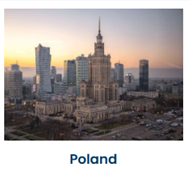
Poland, officially known as the Republic of Poland, is located in Central Europe. It is the sixth-most populous country in the European Union, featuring a rich history, diverse culture, and a rapidly growing economy that offers numerous opportunities for expatriates.
Benefits of Working in Poland
- Economic Growth: Consistent economic growth makes it an attractive destination for job seekers.
- Cultural Richness: Vibrant arts scene, historical landmarks, and numerous festivals.
- Cost of Living: Relatively lower compared to many Western European countries.
- Education: High standard of education with many universities offering English-taught courses.
- Geographical Diversity: Ranging from the Tatra Mountains to the Baltic Sea coast.
Key Job Market Sectors
- Information Technology (IT): A thriving sector with a strong presence in cities like Warsaw, Krakow, and Wroclaw.
- Manufacturing: Particularly strong in sectors like automotive.
- Finance and Banking: Warsaw serves as a major financial hub for Central and Eastern Europe.
- Tourism and Hospitality: Growing industry offering roles in hotels, restaurants, and tourism-related businesses.
- Education: Opportunities for native English speakers to teach English.
Labor Law in Poland
- Employment Contracts: Can be definite or indefinite. Written contracts are mandatory, clearly stating salary, working hours, and responsibilities.
- Working Hours: Standard working week is 40 hours spread over five days. Overtime must be compensated legally.
- Minimum Wage: Statutory minimum wage that is periodically adjusted.
- Paid Leave: Includes annual vacation leave and sick leave, determined by length of service and other factors.
- Termination: Governed by labor laws for reasons such as redundancy, misconduct, or mutual agreement.
- Employee Rights: Protection of rights, including joining trade unions and engaging in collective bargaining.
- Health and Safety: Employers must provide a safe environment, regular training, and protective equipment.
- Maternity & Parental Leave: Paid leaves provided through the Social Insurance Institution (ZUS).
- Discrimination & Harassment: Strictly prohibited based on gender, age, race, or disability.
- Employment of Foreigners: Non-EU citizens require work permits and visas, whereas EU citizens generally do not need work permits.
Labor Market Overview
- Wages and Salaries: Vary by industry and region, with major cities offering higher compensation to match higher living costs.
- Job Search Channels: Online portals, networking, recruitment agencies, and direct company websites.
- Unemployment: Efforts to reduce unemployment have shown positive results, though urban-rural disparities exist.
- Start-ups & Entrepreneurship: Growing startup ecosystem with support from incubators and accelerators in cities like Warsaw and Krakow.
- Labor Shortages: Present in specialized fields, opening doors for skilled international workers.
- Employee Benefits typically include: Paid leave, healthcare access, pension system, work-life balance initiatives, and training/development.
Types of Visas and Work Permits
- Schengen Visa: Short-stay visa for up to 90 days for tourism or business.
- National Visa (Type D): Long-term visa required for stays over 90 days (work or study).
- Work Permit: Typically secured by the employer on behalf of a non-EU citizen.
Requirements for Working in Poland
- Job Offer: A valid job offer from a Polish employer.
- Work Permit: Secured by the employer (for non-EU citizens).
- Visa/Residence Permit: Applied for based on the duration and purpose of stay.
- Residence Registration: Mandatory registration with local authorities upon arrival.
Healthcare System
- Public Healthcare: Funded through social security contributions and available to all legal residents.
- Private Healthcare: Available for those seeking personalized or faster care.
- Health Insurance & Pharmacies: Additional health insurance may be required if not covered by social security. Over-the-counter medications are widely accessible.
Housing and Living
- Types of Housing: Apartments, houses, and shared accommodation. Major cities offer diverse options; rural options are more limited.
- Rental Market: Competitive in popular cities; early searching is recommended.
- Eligibility: Foreigners are generally eligible to rent or buy property under specific guidelines.
- Lifestyle: Rich cultural events, traditional cuisine (pierogi, kielbasa, bigos), bustling nightlife, outdoor activities, and well-developed public transportation.
Tax System
- Income Tax: Progressive personal income tax ranging from 17% to 32%.
- Value Added Tax (VAT): Standard rate of 23% on most goods and services.
- Social Security: Contributions shared between employers and employees to cover healthcare, pensions, and benefits.
- Tax Residency: Taxation is based on residency status with separate rules for residents and non-residents.
Frequently Asked Questions (FAQs)
- Cost of Living: Generally lower than Western Europe. A single person can live on an estimated budget of 1,500 to 2,500 PLN per month covering accommodation, food, transportation, and leisure (estimates based on past data; higher in major cities like Warsaw and Krakow).
- Language Requirement: While Polish is helpful, English is widely accepted in international companies, IT roles, and major cities.